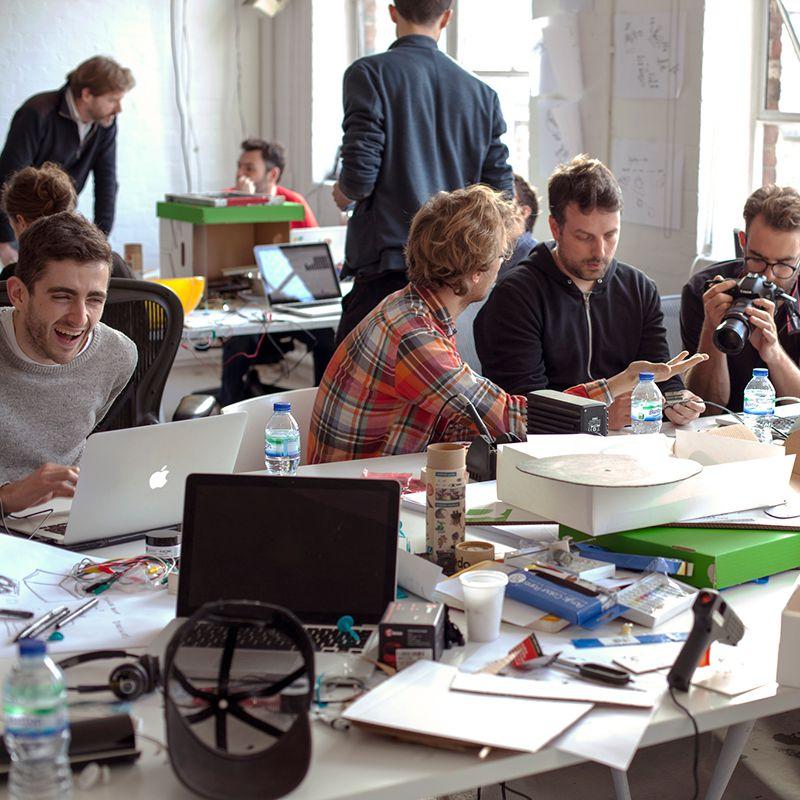
Conductive Ink Hack
2013·London
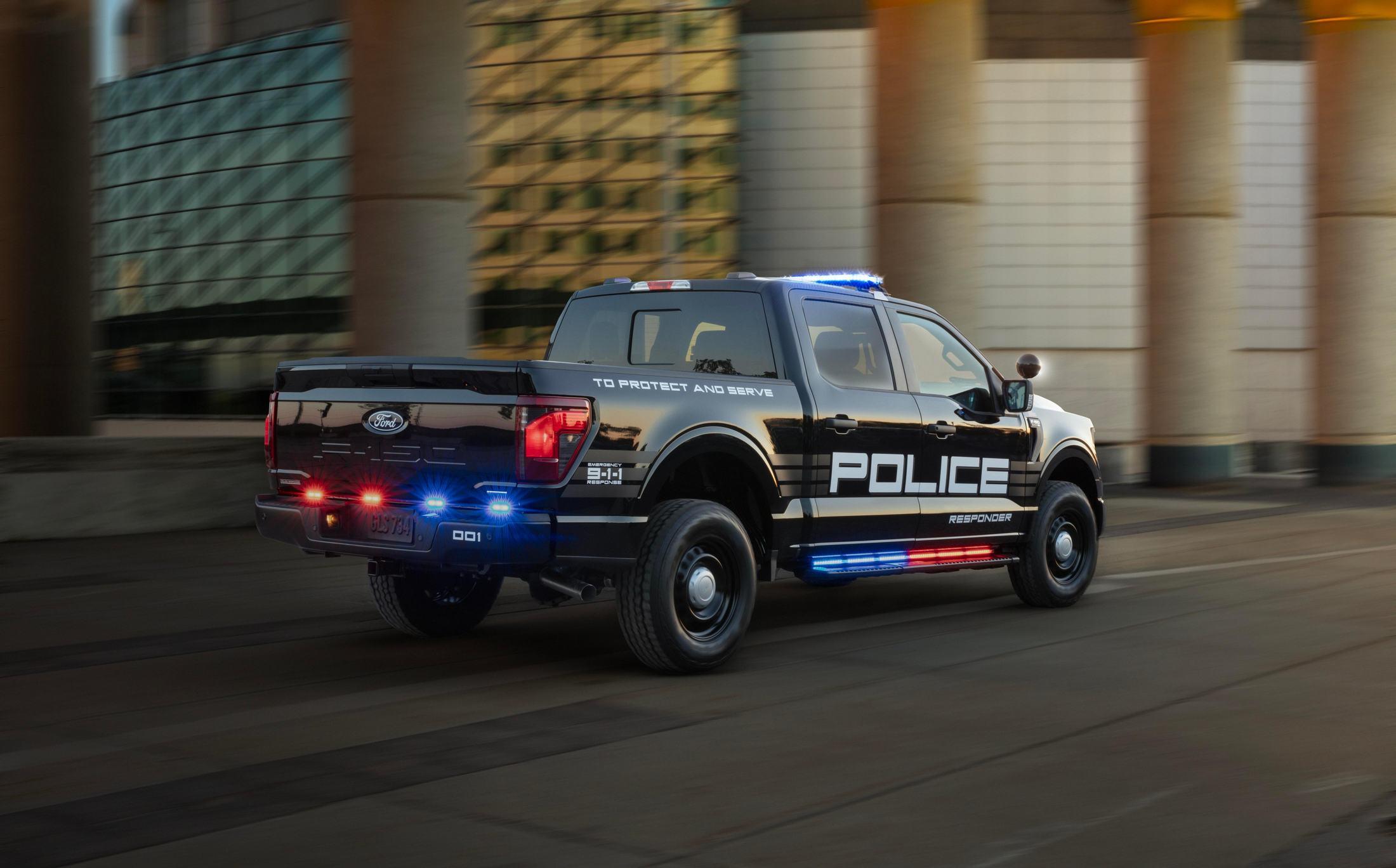
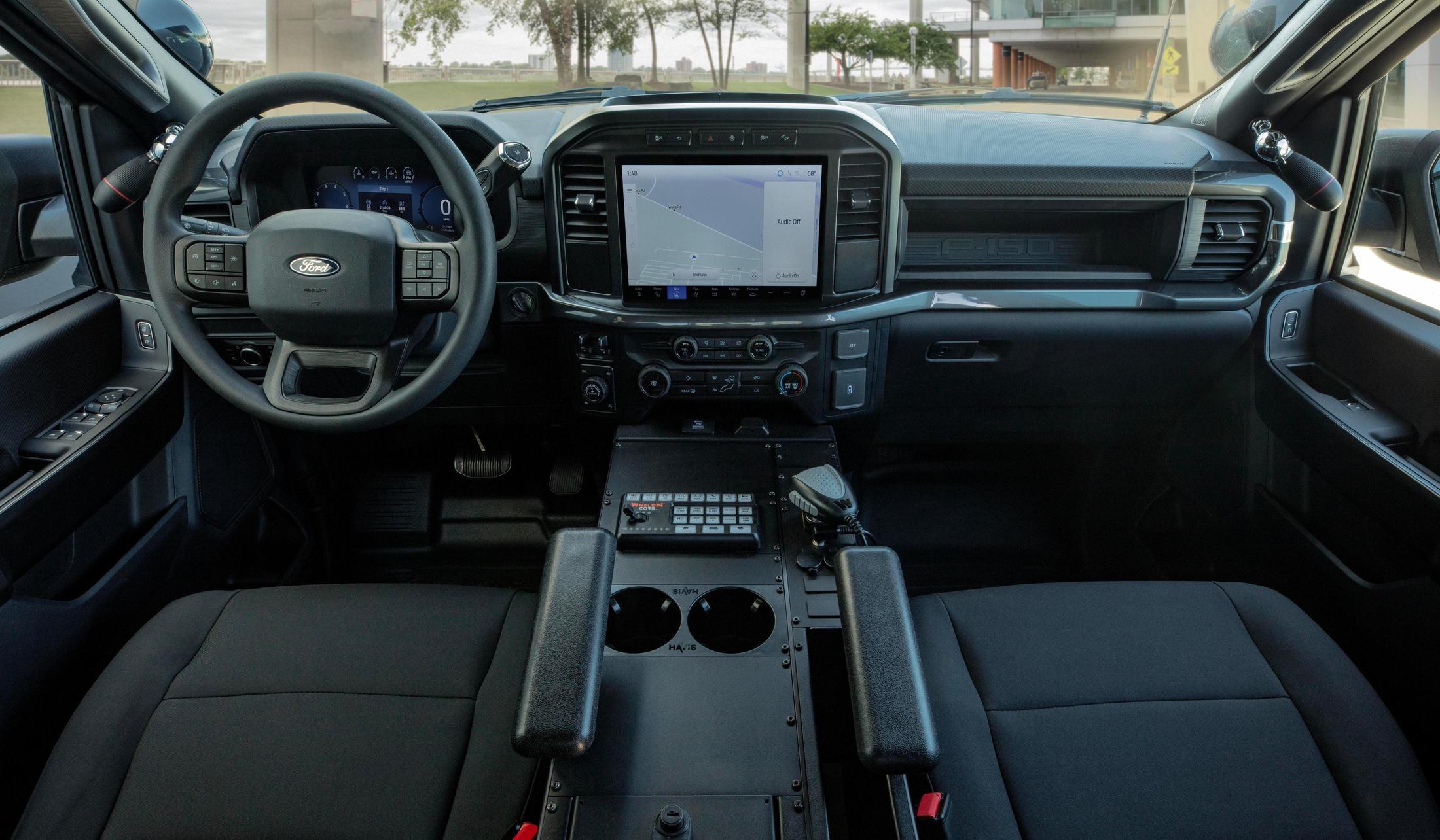
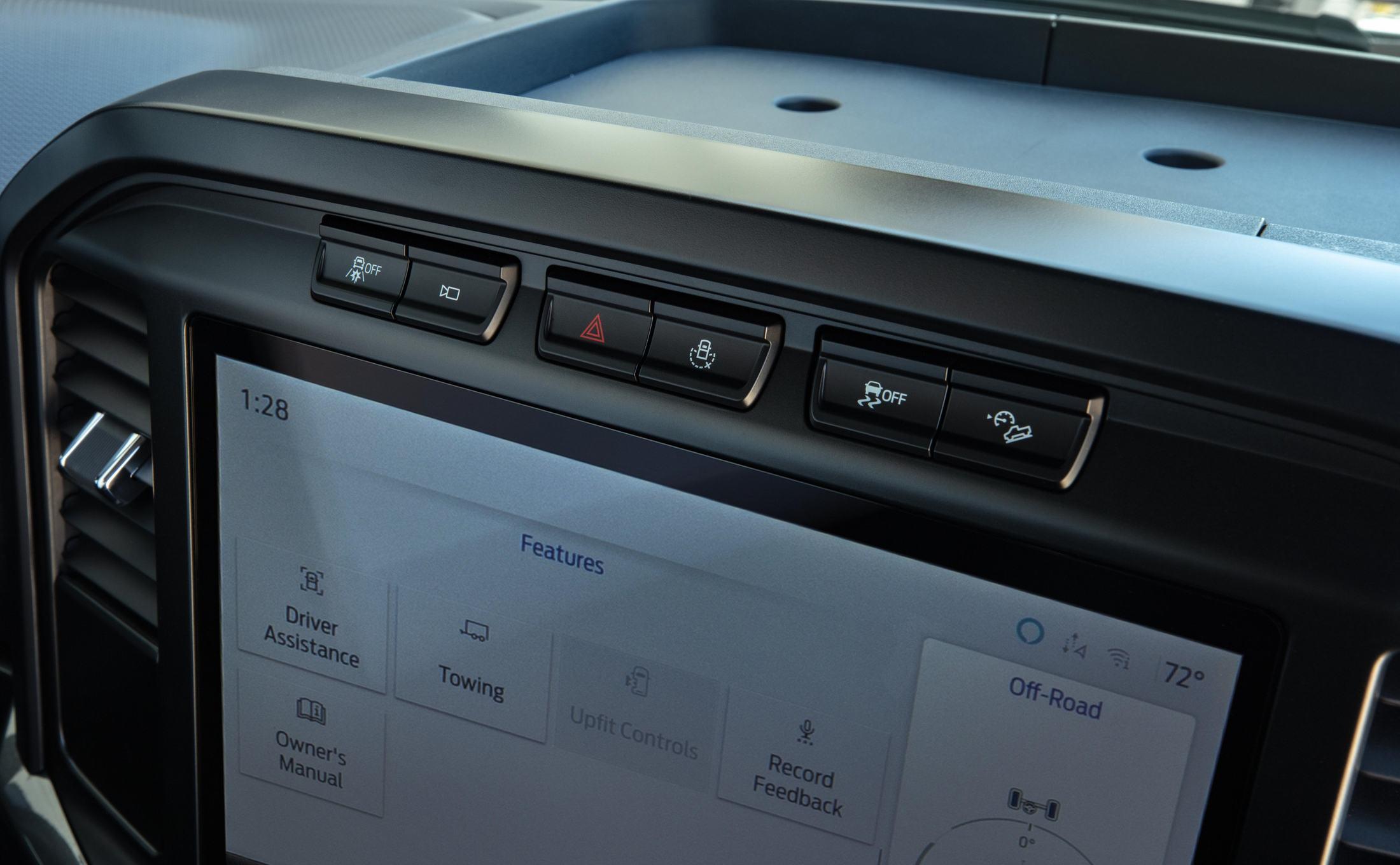
Ford vehicles increasingly operate as platforms for police forces, emergency services, utilities and fleet operators who need to add their own equipment, controls and interfaces. This research project explored how to make that integration cleaner and more flexible, reducing installation complexity while protecting the vehicle's core systems.
My role covered the full research cycle. I built hardware prototypes to test how aftermarket equipment could connect into vehicle systems, developed software interfaces that surfaced vehicle data in useful ways, and contributed to technical specifications that could inform future production decisions. Working within Ford's Human Centred Design team, I moved regularly between bench electronics, embedded code and interface design.
The work was deliberately exploratory. Rather than heading straight for a fixed deliverable, we used prototypes to test assumptions: what data matters to an operator, how should programmable controls behave, and what does a good installation experience actually look like? Working across hardware and software let us stress-test ideas quickly and bring evidence back into the research conversation.
Arduino and Raspberry Pi supported hardware prototyping, Python handled backend services and data interfaces, and JavaScript powered supporting frontend tools. Physical models and rigs were produced in AutoCAD Fusion 360.
Produced hardware prototypes, software interfaces and technical specifications that helped shape Ford's approach to aftermarket equipment integration across professional and fleet vehicle contexts.