Vehicle Integration System
2023·London
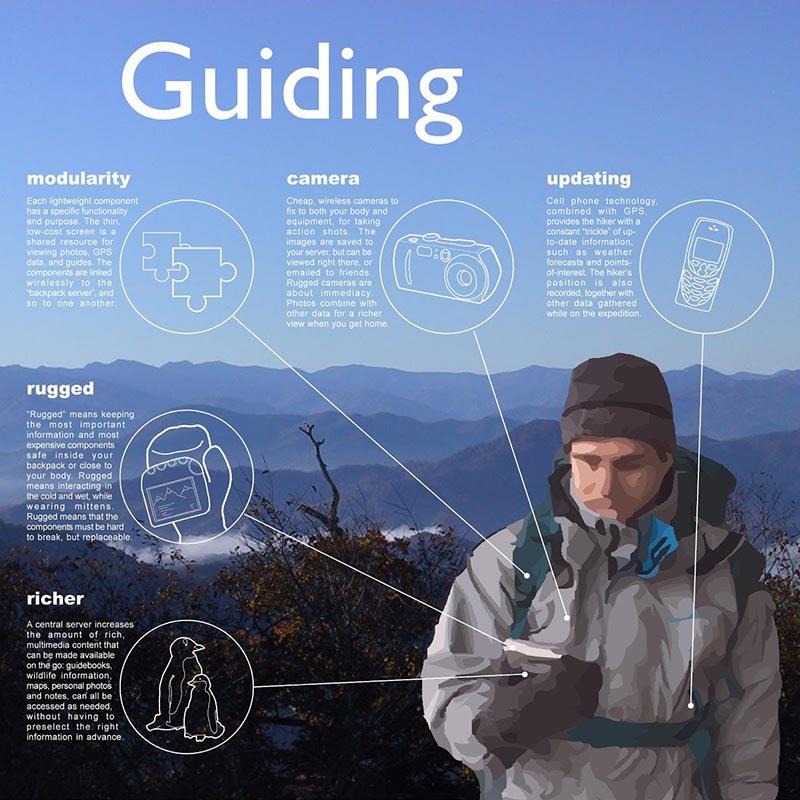
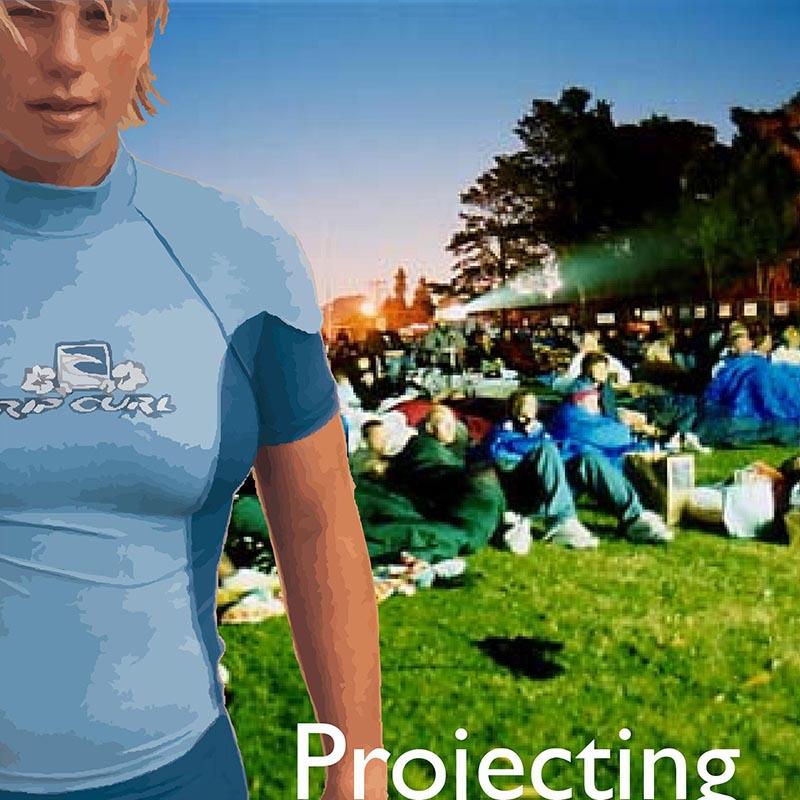
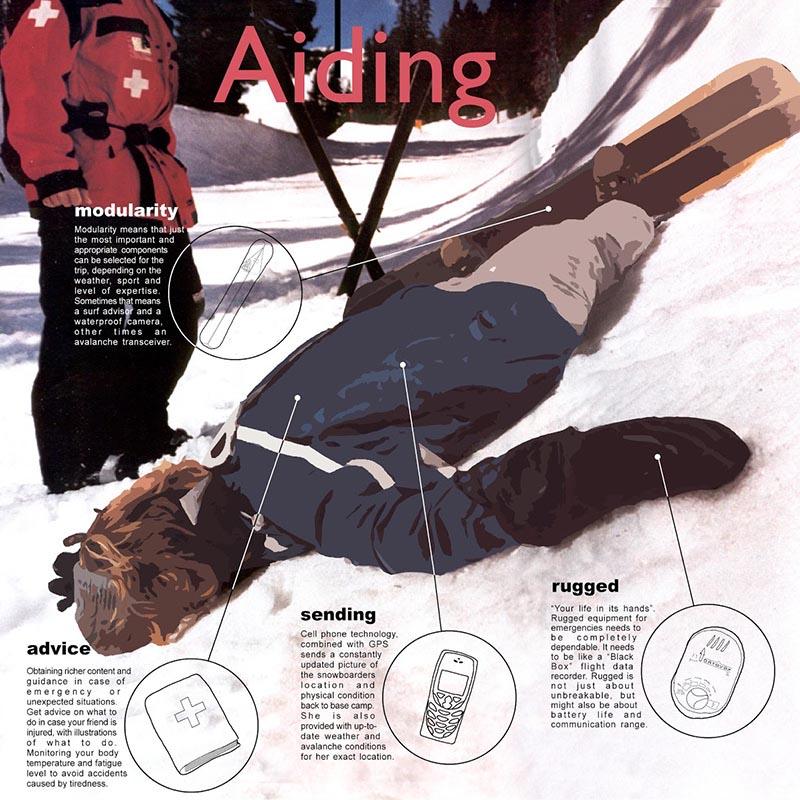
In 2001, connected sensing largely belonged to industrial settings and research labs. This Intel Research project asked a more open question: what happens when you take sensing technology outdoors, into sport, agriculture and physical environments where people actually live and move?
I was part of a research team in Portland, Oregon exploring how what would now be called IoT principles, and at the time was more often framed as ubiquitous computing, could apply to outdoor activity. We looked at early concepts for sailing, skiing, snowboarding, hiking and biking, asking what useful feedback or augmentation might emerge when computing moved with people into the landscape.
Rather than focusing on one specific sensing product, the work stayed exploratory. We were interested in the broader interaction model: how lightweight connected systems might support movement, orientation, awareness and decision-making in physically demanding environments.
This was exploratory research at its most forward-looking. The ideas we were prototyping, from connected wearables for athletes to environmental sensing in agriculture, later became full industries. It remains an early example of working a few steps ahead of where technology was about to go.
Explored early sensing applications in outdoor sports and agriculture well before either field had a clear market for the technology, anticipating categories that later became mainstream.