Vehicle Integration System
2023·London
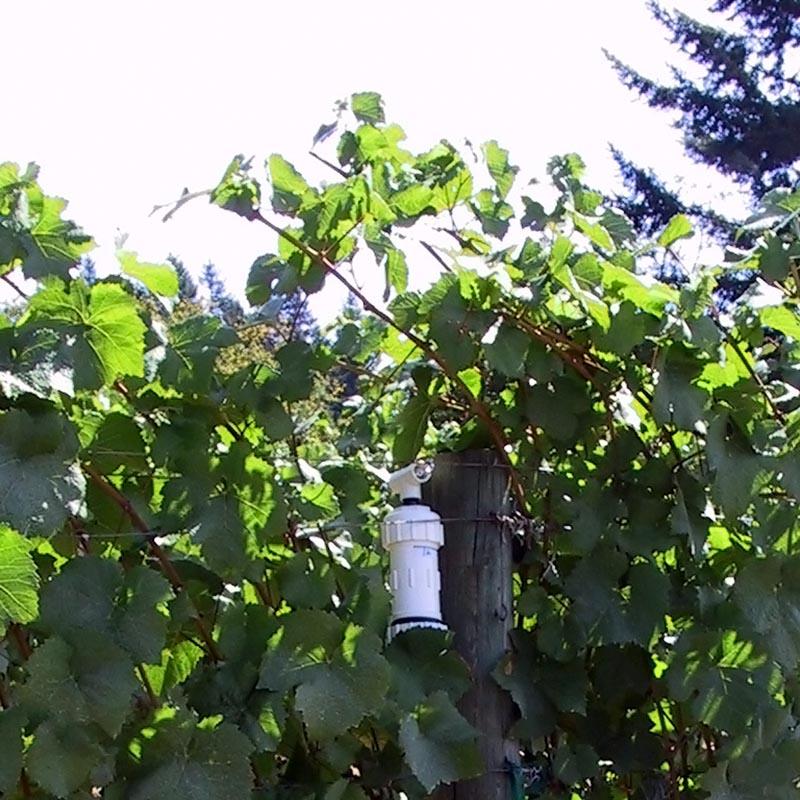
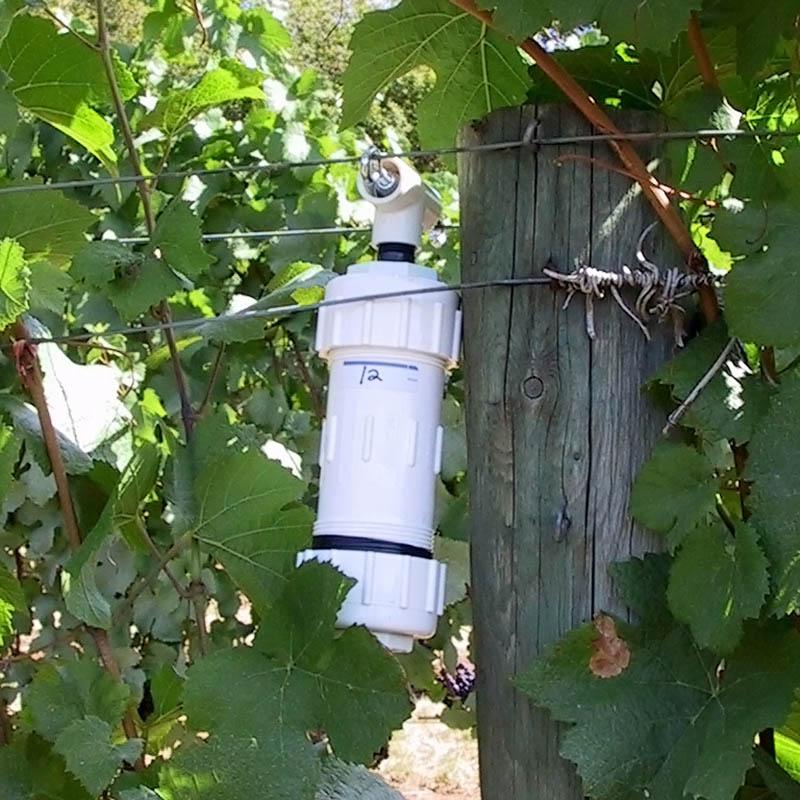
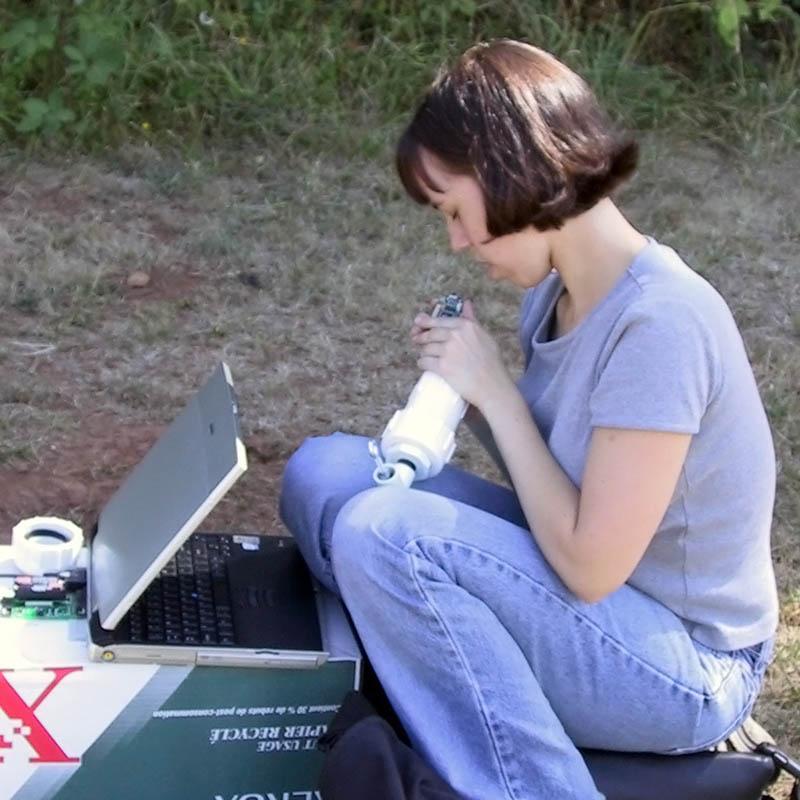
In 2002, wireless sensor networks mostly existed on paper. Working with Intel Research, we took them into the field by deploying sensor motes across a vineyard in British Columbia's Okanagan Valley, monitoring microclimates to support decisions around irrigation, frost risk and harvest timing.
My role covered both fieldwork and research framing. I helped design the deployment and worked directly in the vineyard, combining ethnographic observation of growers' real practices with the practical challenge of placing sensing technology into an agricultural environment. The work demanded attention to both social context and technical constraint.
The project became the academic paper 'From Ethnography to Design in a Vineyard,' co-authored with Jenna Burrell and presented at CHI 2003. It explored how ethnographic fieldwork can directly inform the design of embedded sensing systems, and stands as an early example of what would later be called human-centred IoT design.
At the time, deploying wireless sensors in agriculture felt almost speculative. In hindsight, it pointed directly toward precision agriculture, environmental IoT and connected land management long before those ideas became mainstream.
Delivered early field research in wireless sensor networks for agriculture, later published at CHI 2003 as 'From Ethnography to Design in a Vineyard'.